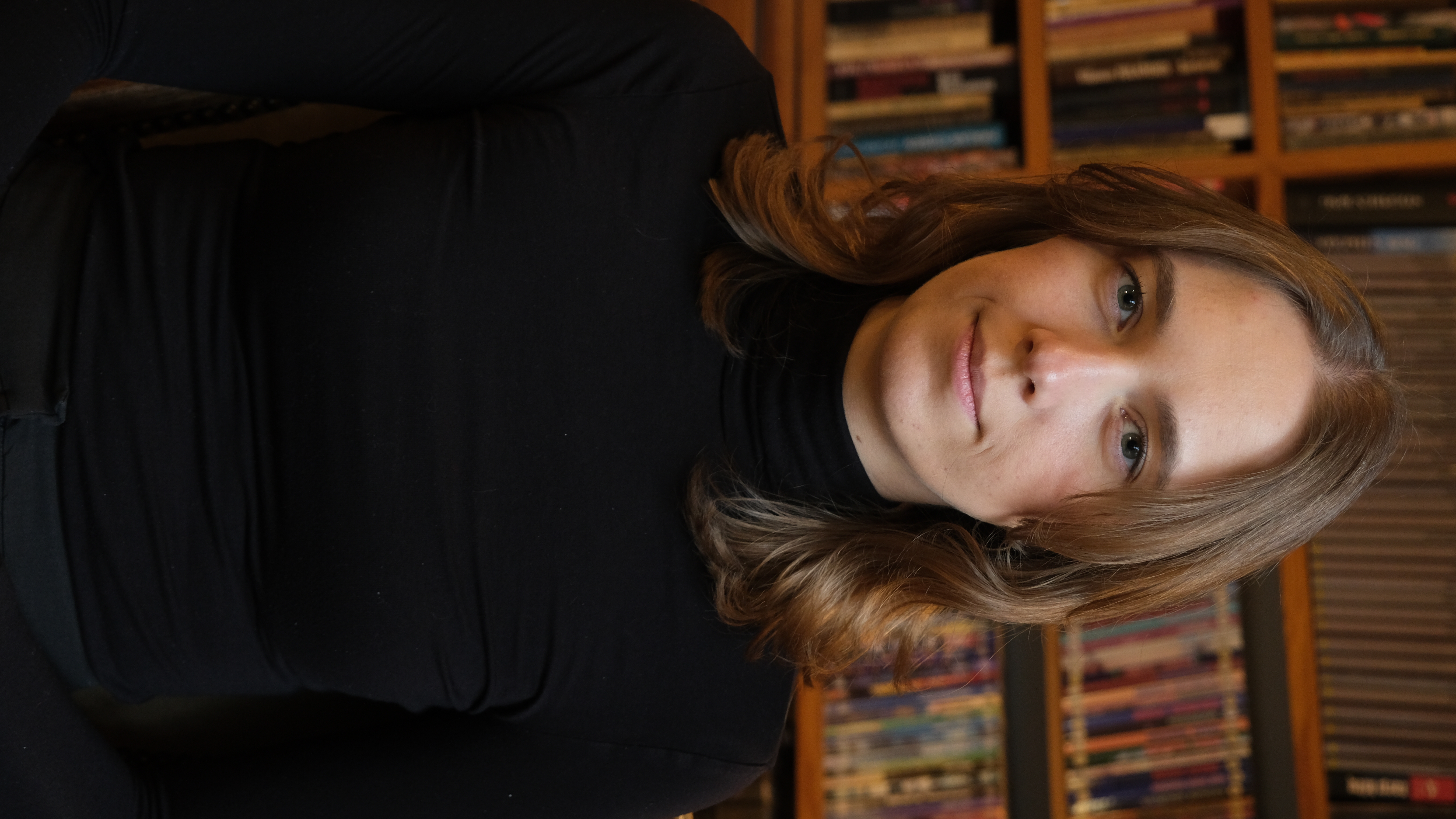
I have always been curious about how people feel, why certain things matter more to us than others, why we act the ways we do. Nothing ever seemed to have a definitive answer. That curiosity brought me to psychology, and it has stayed with me until today, with more and more reasons accumulating for my love for this field. With years and years I realised how amazing people are. To get to know someone deeply I see as an honour. And if I can make someone's life even a little easier, my own feels more meaningful.
Kiek save tik atsimenu, visada domėjausi žmonėmis: ką mes jaučiame, kodėl vieni dalykai mums svarbesni už kitus, kodėl elgiamės taip, kaip elgiamės. Atrodė, kad į šiuos klausimus niekada nėra vieno atsakymo. Smalsumas atvedė mane į psichologijos studijas ir lydi mane iki šiol, o priežasčių, kodėl myliu šią sritį, vis daugėja. Metams bėgant supratau, kokie nuostabūs yra žmonės. Giliai pažinti kitą man yra tarsi garbė. O jei galiu bent šiek tiek palengvinti kieno nors gyvenimą, mano pačios gyvenimas tampa prasmingesnis.
I believe there is no single right way to live. People experience life differently, carry different histories, and bring different questions to psychological consultations. Traumas and experiences from the past shape how we see ourselves, how we relate to others, and how we form connections. So my goal is to get to know each person with genuine respect and in real depth — and from there, to help them navigate their thoughts, feelings, and questions, and find their own answers.
Tikiu, kad nėra vienintelio teisingo gyvenimo būdo. Žmonės gyvenimą patiria skirtingai, turi skirtingą praeitį ir į konsultacijas ateina su skirtingais klausimais. Praeities traumos ir patirtys formuoja tai, kaip matome save, kaip bendraujame su kitais ir kaip užmezgame ryšius. Todėl mano tikslas — pažinti kiekvieną žmogų iš tikrųjų giliai — ir, remdamasi tuo, padėti jam susiorientuoti savo mintyse, jausmuose ir klausimuose bei rasti savo atsakymus.
Research shows that the relationship between a psychologist and a client is one of the most healing parts of the work itself. I want to take time with people. I am not in a hurry. I have the most experience with anxiety, neurodivergence, burnout, and mood swings — so these themes come naturally to me and feel close. My academic work focuses on emotion regulation and how learning it can help improve wellbeing. Nevertheless, I am curious about all the difficulties people bring, and I am genuinely excited to keep learning.
Tyrimai rodo, kad psichologo ir kliento santykiai yra viena iš labiausiai gydomųjų konsultacijų dalių. Konsultacijose neskubu ir skiriu laiko kurti šį santykį ir erdvę, kur saugu atsiverti. Turiu daugiausiai patirties, susijusios su nerimu, neurodivergencija, perdegimu ir nuotaikos svyravimais — todėl šios temos man yra natūralios ir artimos. Mano akademinis darbas sutelktas į emocijų reguliavimą ir tai, kaip savo emocijų supratimas ir priėmimas gali padėti pagerinti gerovę. Vis dėlto mane domina visi sunkumai, su kuriais susiduria žmonės, ir aš nuoširdžiai džiaugiuosi galėdama toliau mokytis įvairiomis temomis.
I also bring sensitivity to the experience of living between cultures, languages, and places. Having built parts of my own life across different countries, I understand that mobility can bring freedom, growth, and possibility, but also questions of belonging, identity, loneliness, and restlessness. Whether you live internationally or have always lived close to home, I am interested in the particular way your life has shaped you — and what may now be asking for attention.
Taip pat atsižvelgiu į gyvenimo tarp kultūrų, kalbų ir vietų patirtį. Kadangi dalį savo gyvenimo kūriau skirtingose šalyse, suprantu, kad mobilumas gali suteikti laisvę, augimą ir galimybes, tačiau kartu kelia klausimus apie priklausomybę, tapatybę, vienatvę ir nerimą. Nesvarbu, ar gyvenate užsienyje, ar visada gyvenote netoli namų, mane domina, kaip būtent jūsų gyvenimas jus suformavo — ir kas dabar galbūt reikalauja dėmesio.